
Leading Hotels of the World: How we managed hotels to meet global excelence standards
The most rigorous certification in luxury hospitality, and how SPHERA guides projects such as Hotel Fermata and Sendero Hotel toward this world-class recognition.
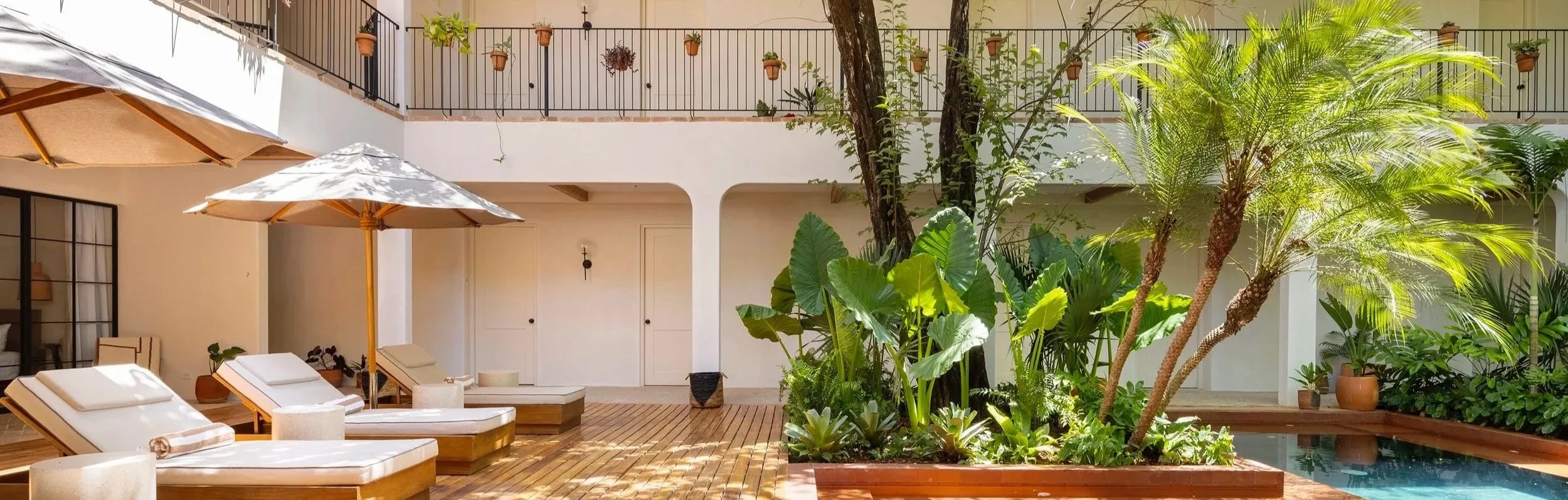
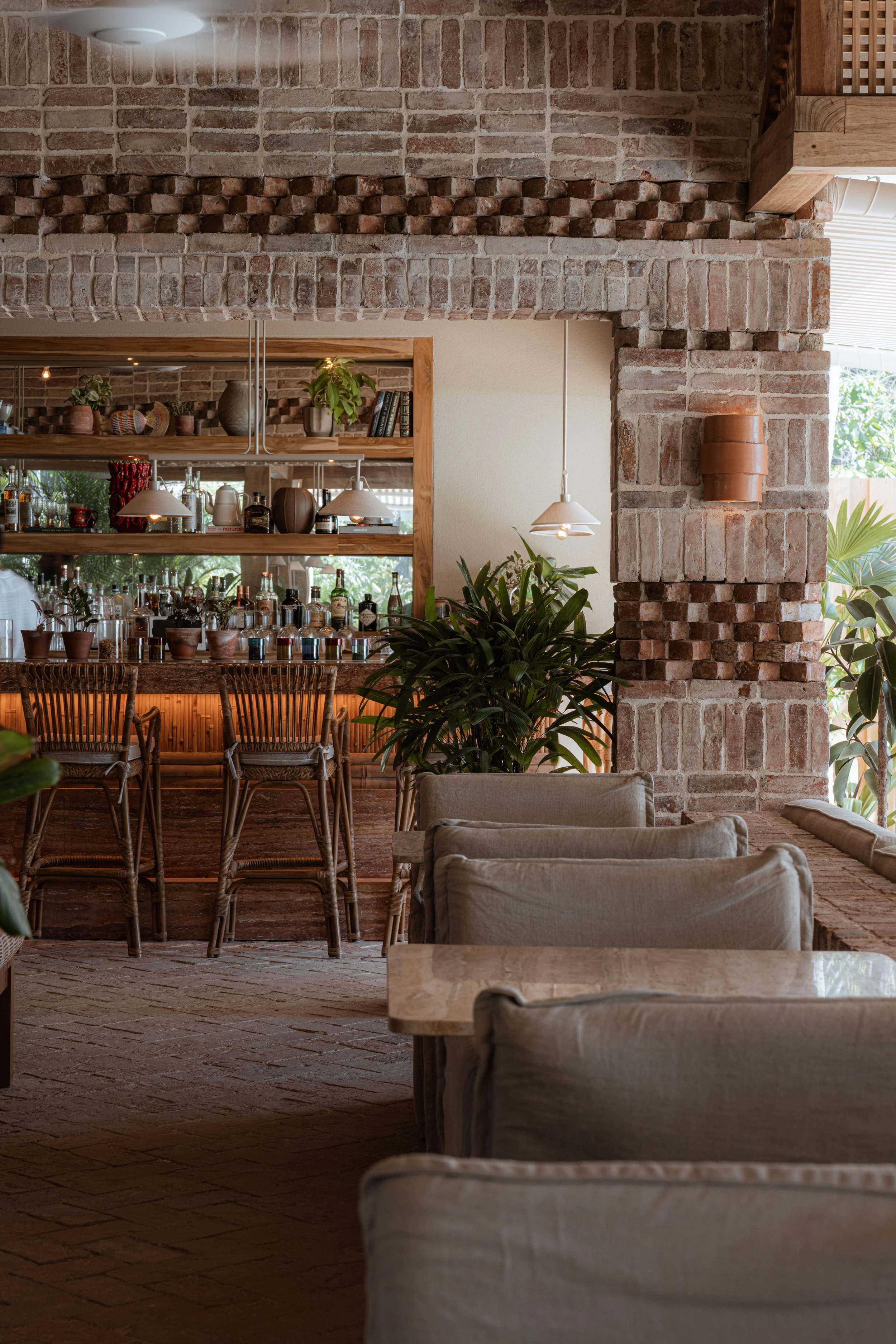
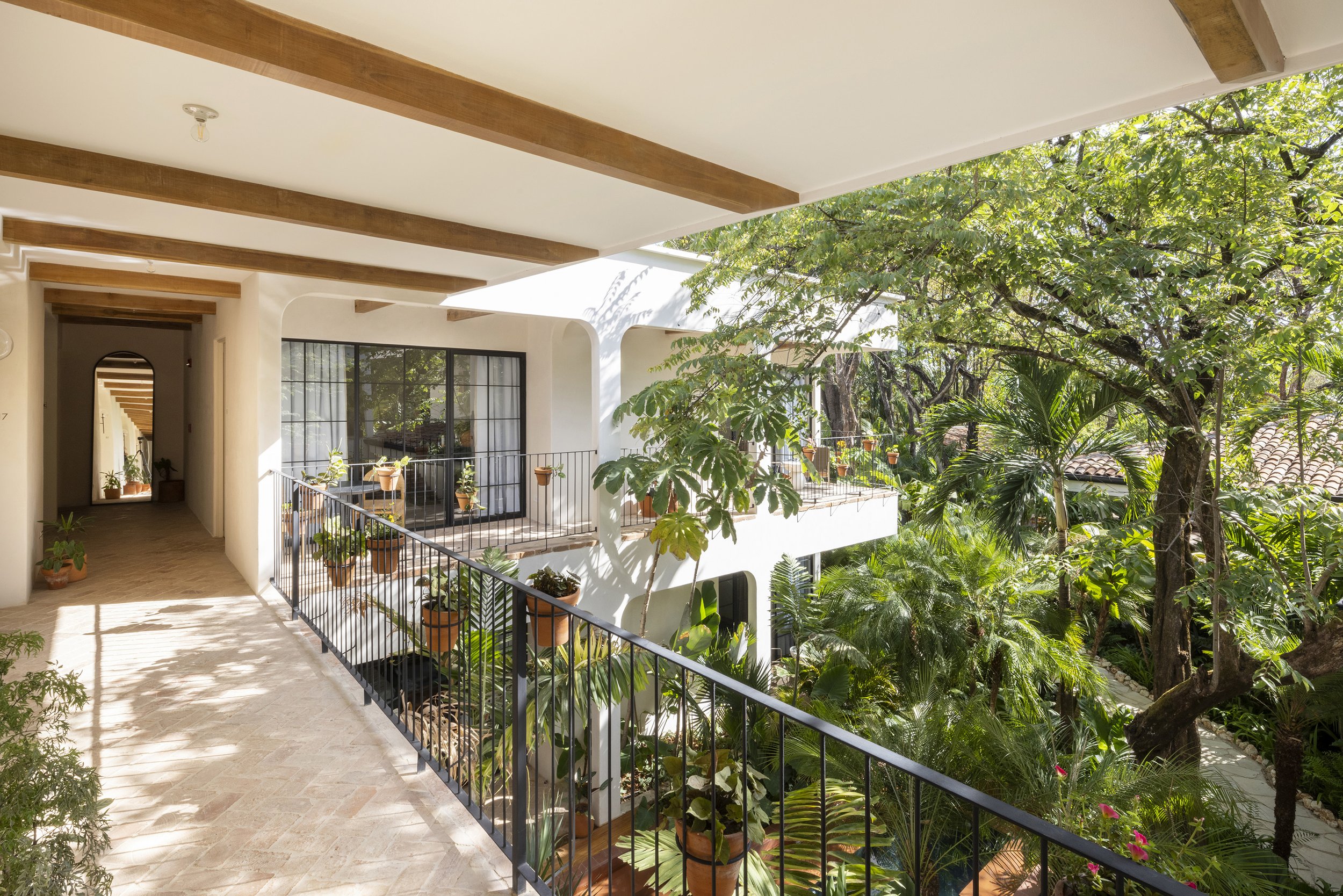
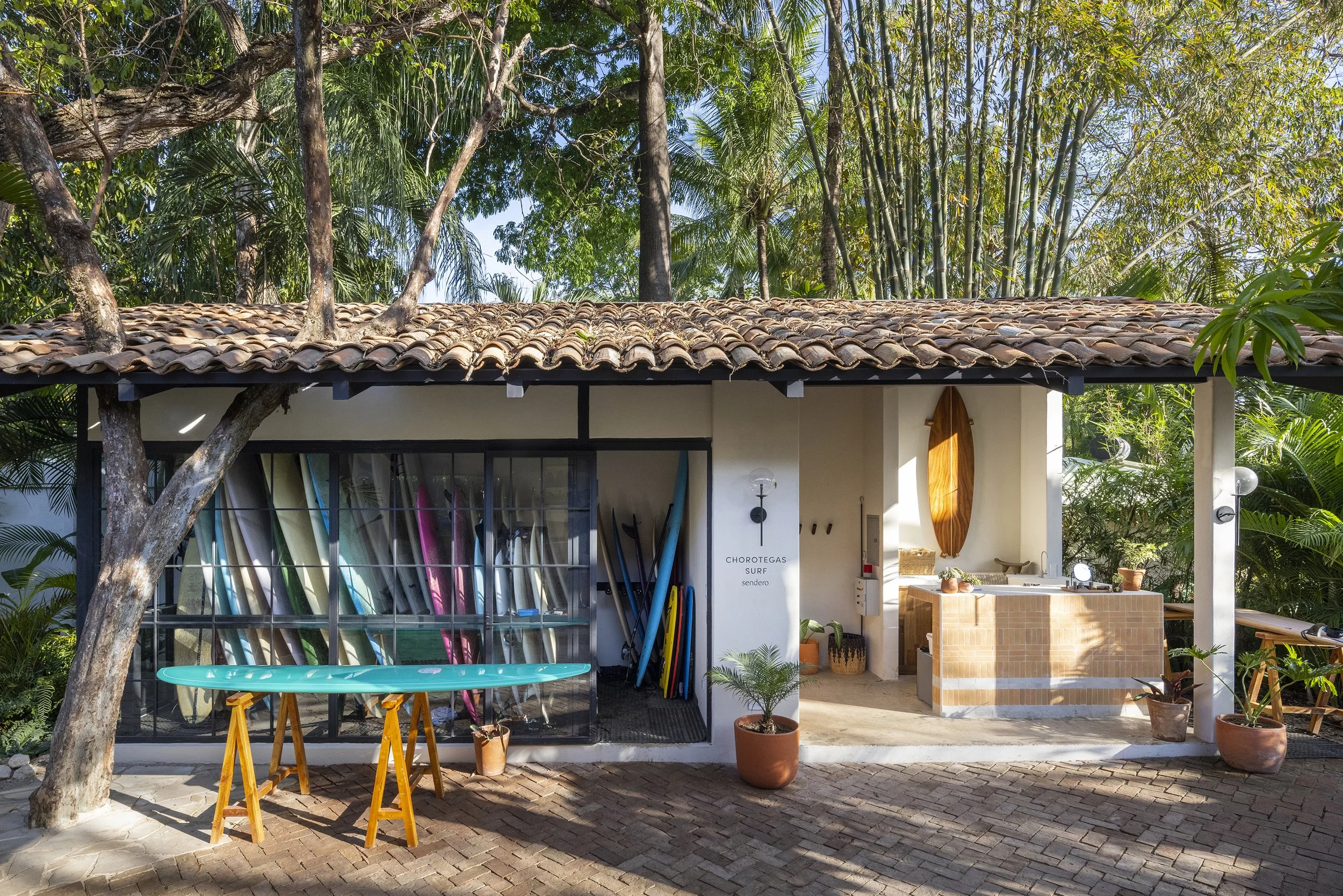
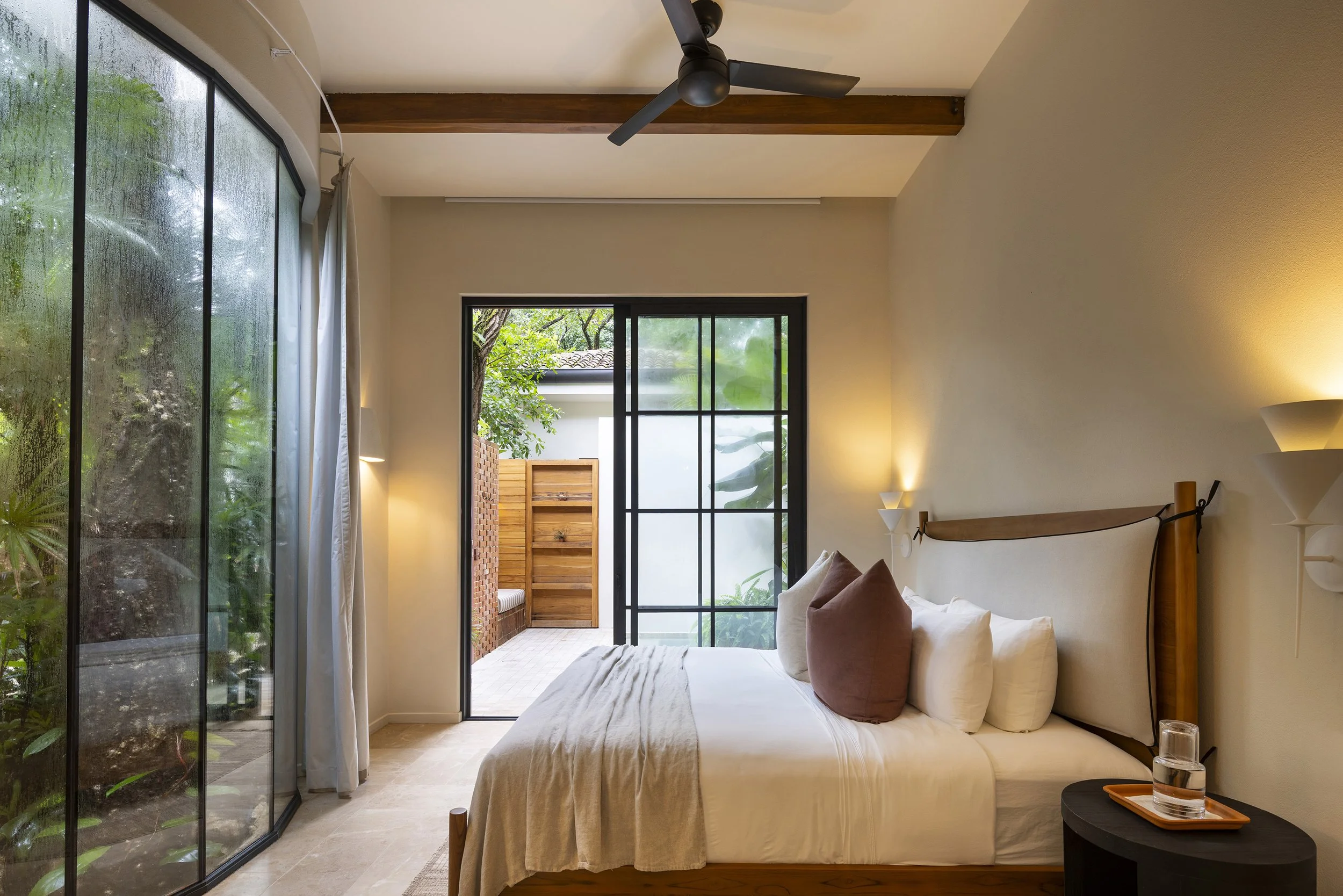
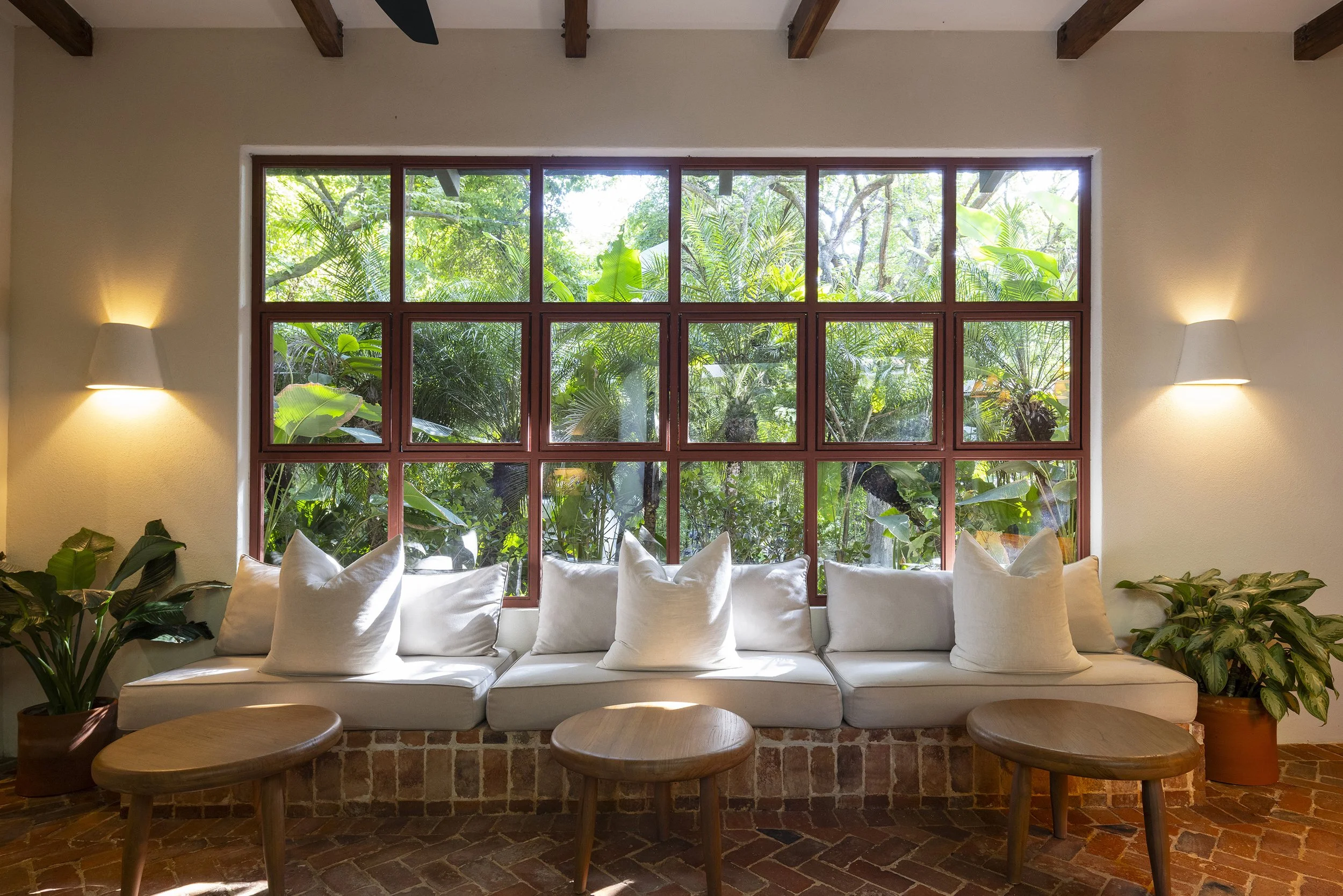
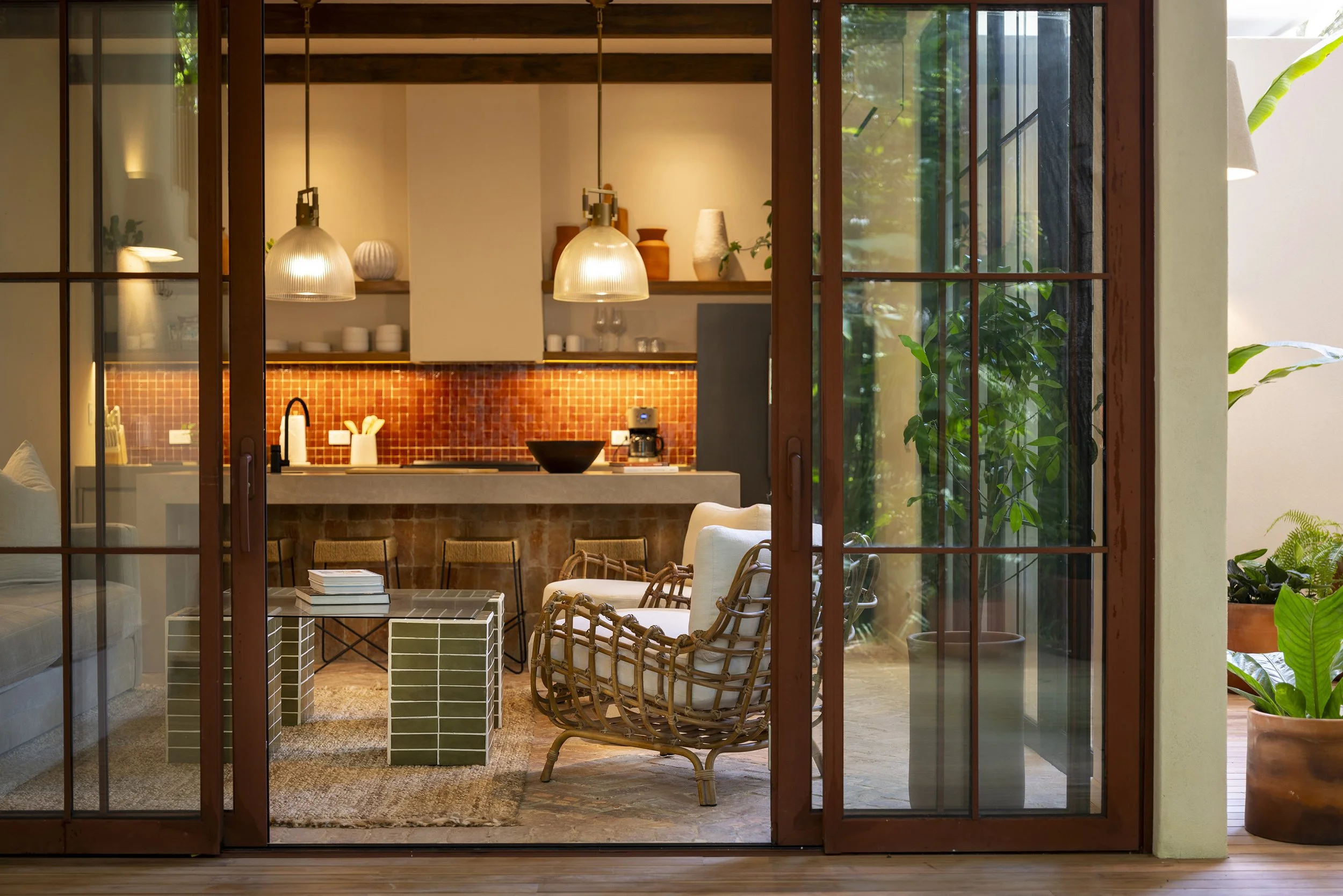
Sendero Hotel, Nosara
Did you know that less than 5% of the hotels worldwide that apply to join Leading Hotels of the World are accepted?
In Central America, that percentage is even more exclusive, making any recognition in this category an extraordinary milestone—not just commercially, but strategically as well.
So… what makes a hotel “Leading”? Why does this recognition matter to the Central American hotel industry, and how are projects like Hotel Fermata and Sendero Hotel & Villas being developed by SPHERA Sostenible to meet these global standards of excellence?
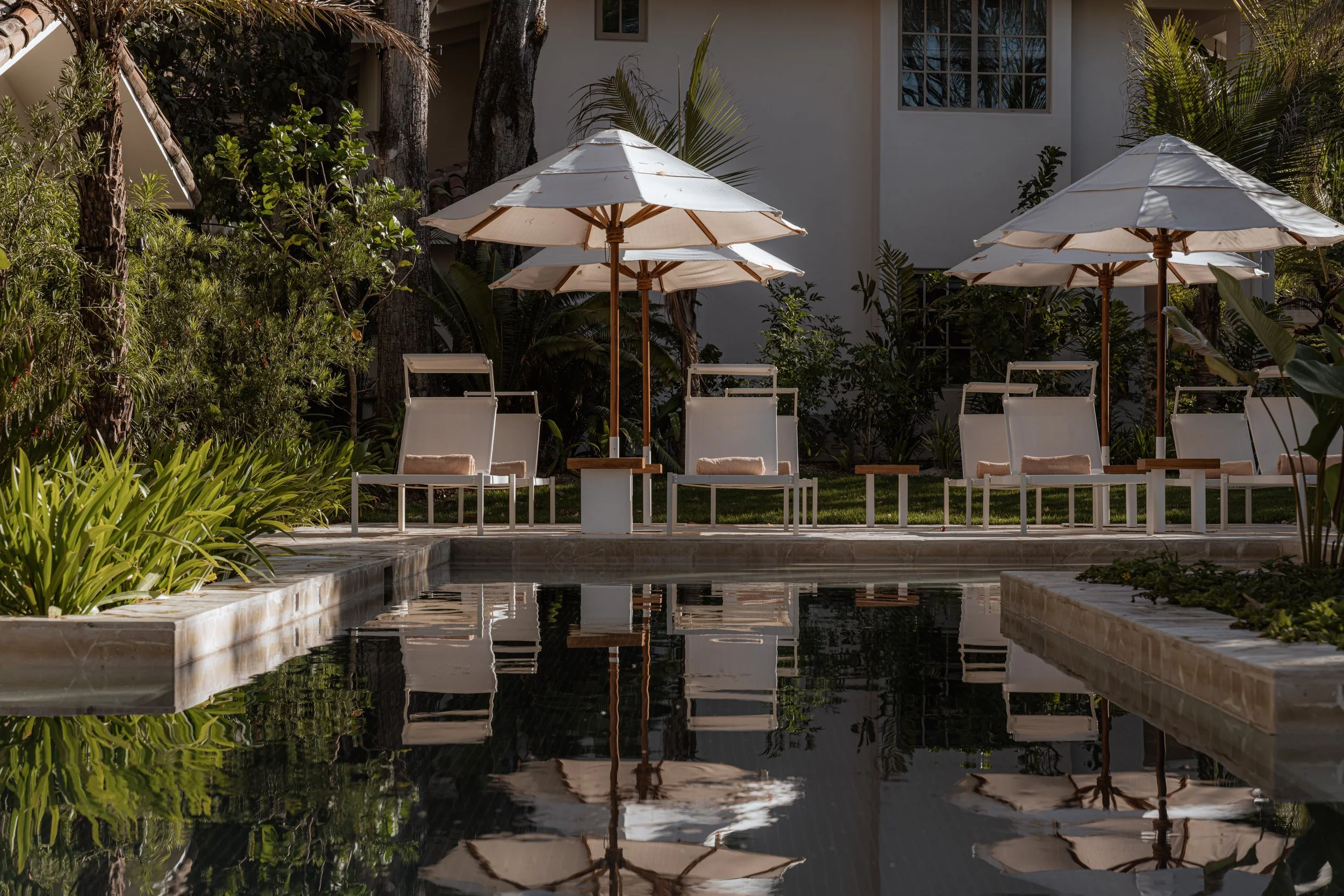
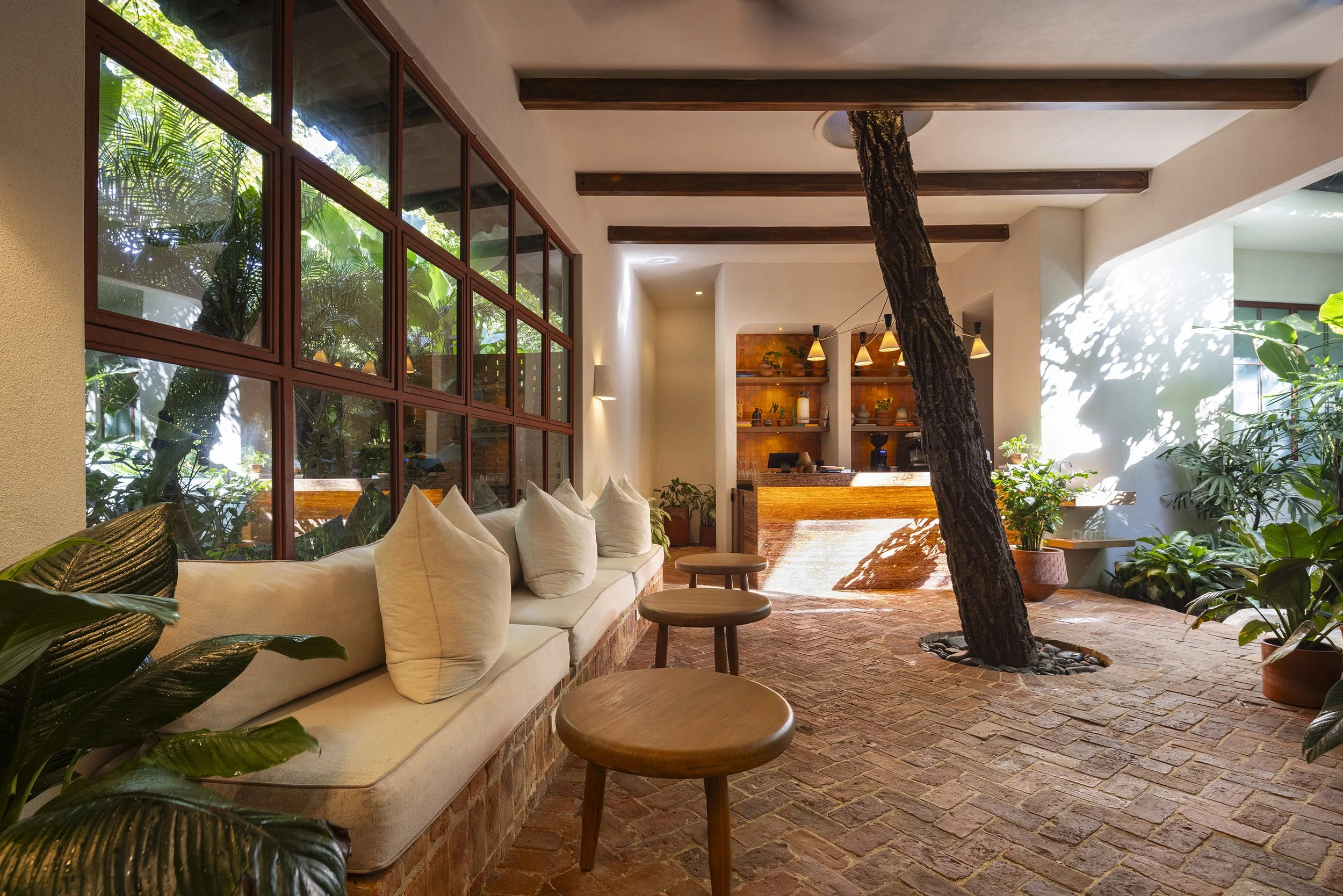
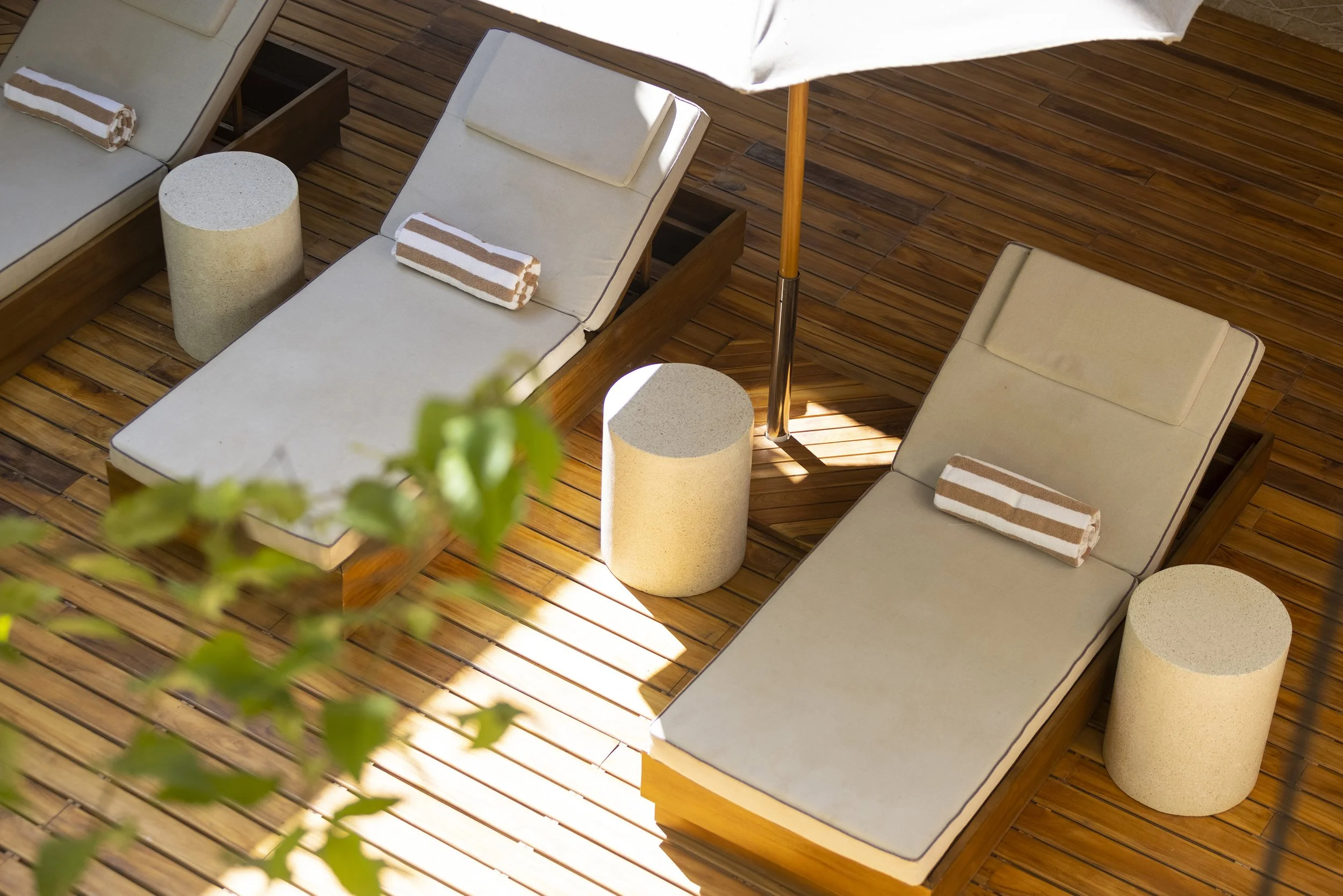
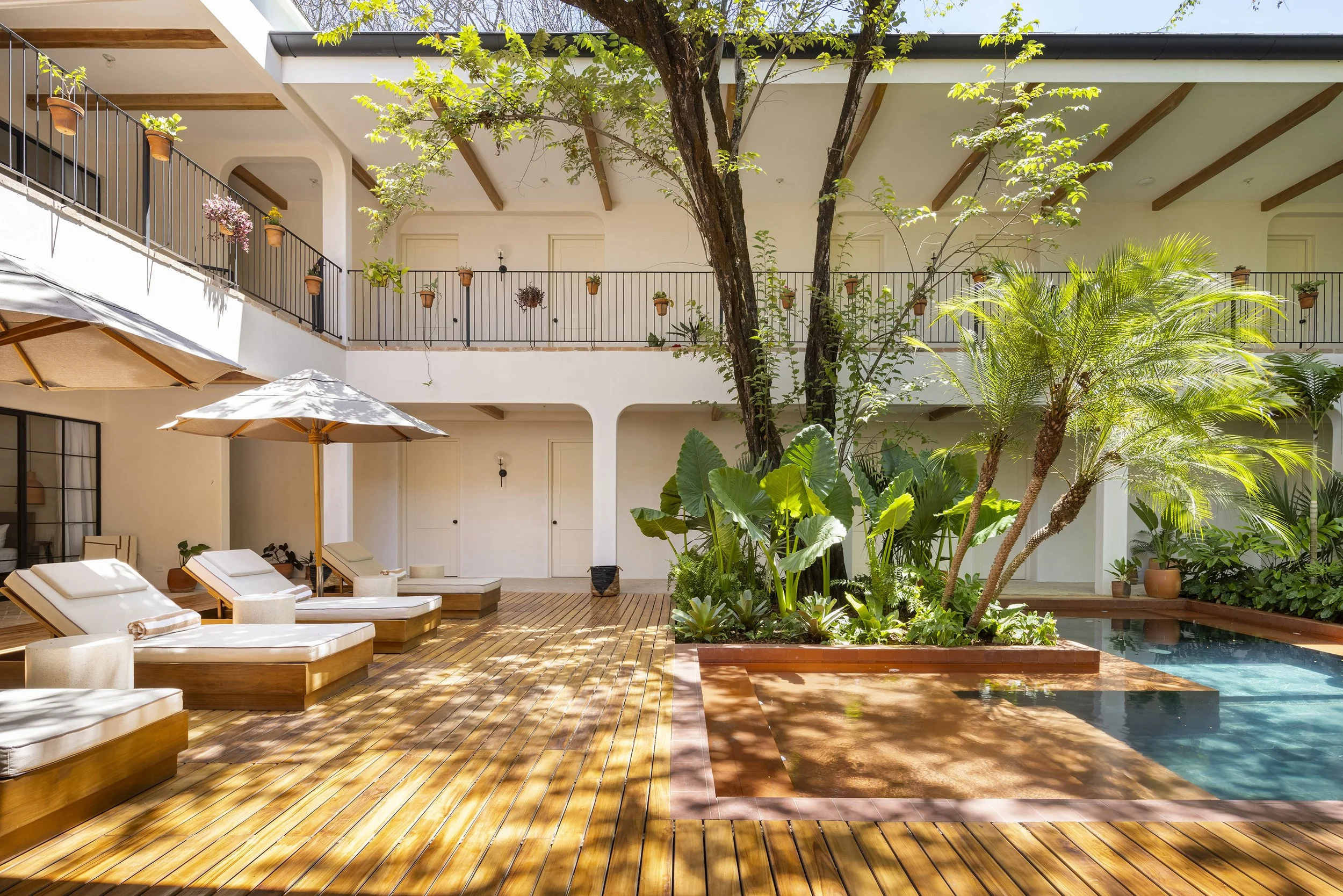
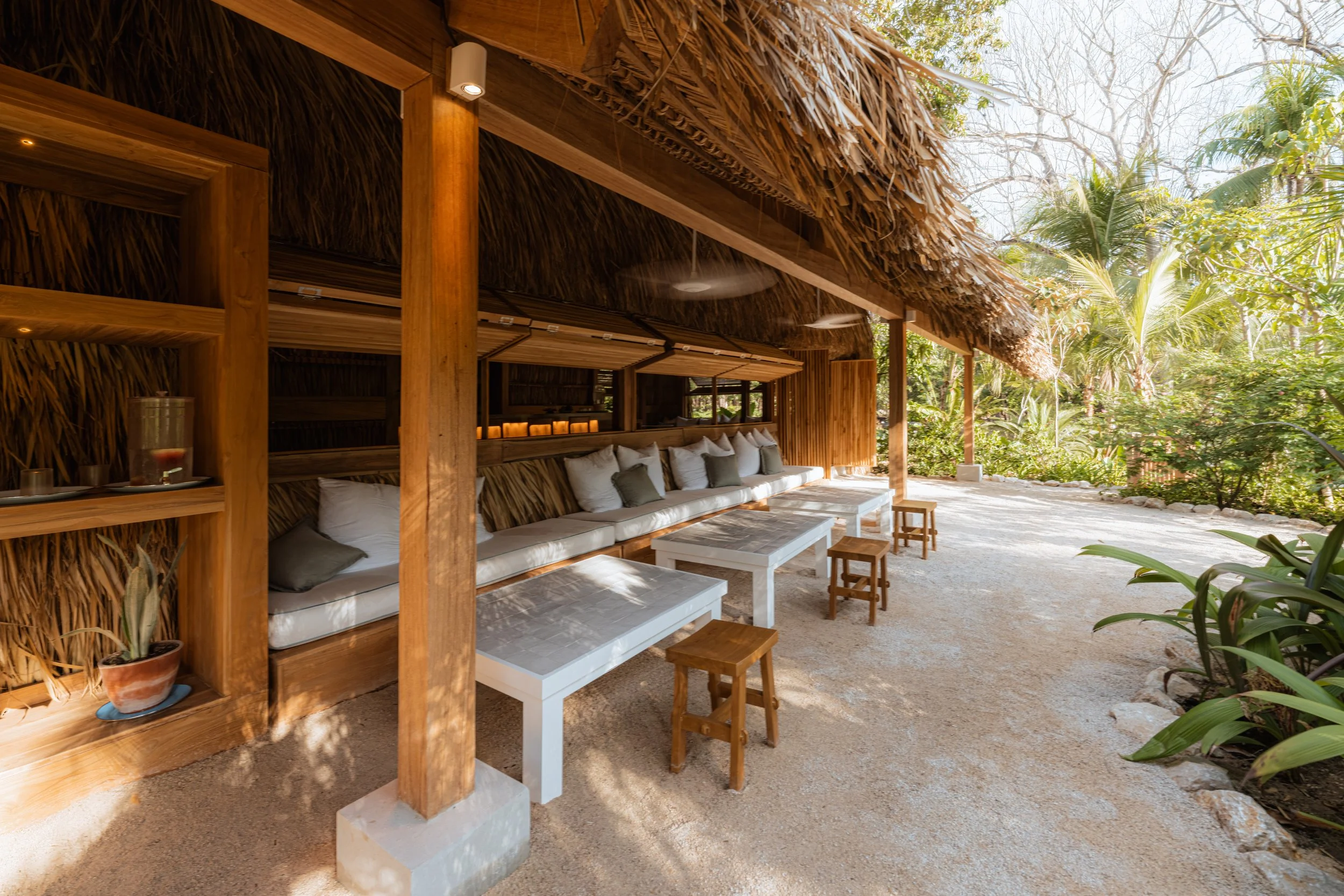
What is Leading Hotels of the World?
Leading Hotels of the World traces its roots back to 1928, when 38 visionary European hoteliers came together around a revolutionary idea: to create a network of independent hotels that could compete globally without losing their unique identities.
It has since evolved into a global collection that now includes more than 430 independent hotels in over 80 countries.
Global Reach, Rigorous Standards
What stands out is not the number of hotels in the collection, but the selection process. Less than 5% of applicant hotels are accepted. This is not an arbitrary number; it reflects LHW’s commitment to absolute excellence.
Unlike other luxury hotel associations that primarily function as marketing platforms or reservation systems, LHW goes far beyond that.
Four pillars of Leading Hotels of the World
For a hotel to be considered for membership in LHW, it must demonstrate excellence in four key areas. These are not bureaucratic requirements; they are standards that reflect what true hotel excellence entails.
Design and Architectural Innovation: architecture that engages with the local context—by LOOP Design Studio—spaces that create experiences, materials and finishes that reflect meticulous care and sustainable innovation without being “trendy.”
Distinctive Guest Experience: anticipatory service, authentic experiences, attention to detail, and stories that guests share.
Environmental and social responsibility (our strongest pillar): natural resource management with transparent metrics, positive impact on the community, responsible supply chains, and well-trained, committed employees.
Operations and quality control: maintenance systems, ongoing staff training, consistent service protocols, crisis management and problem-solving, along with regular audits.
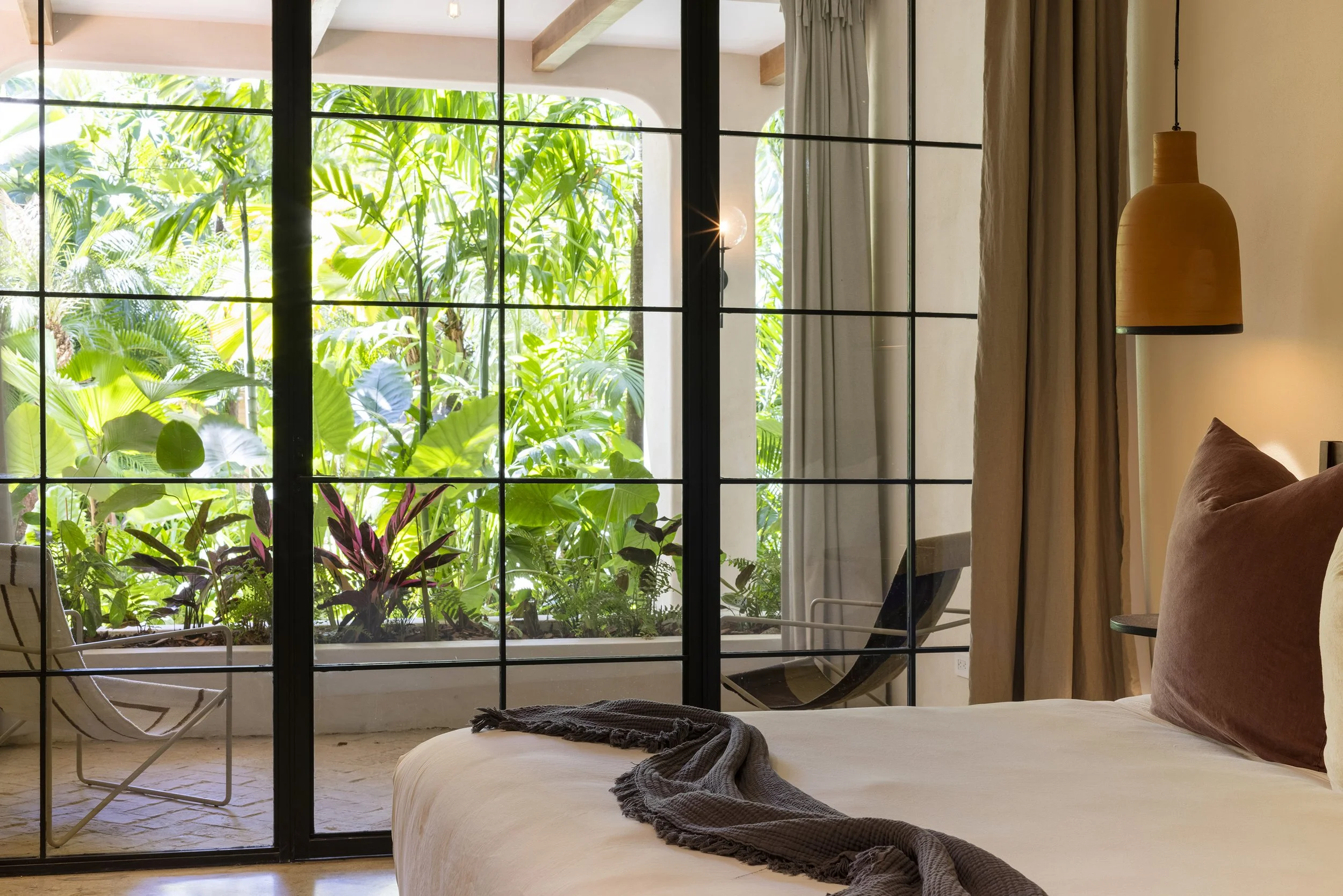
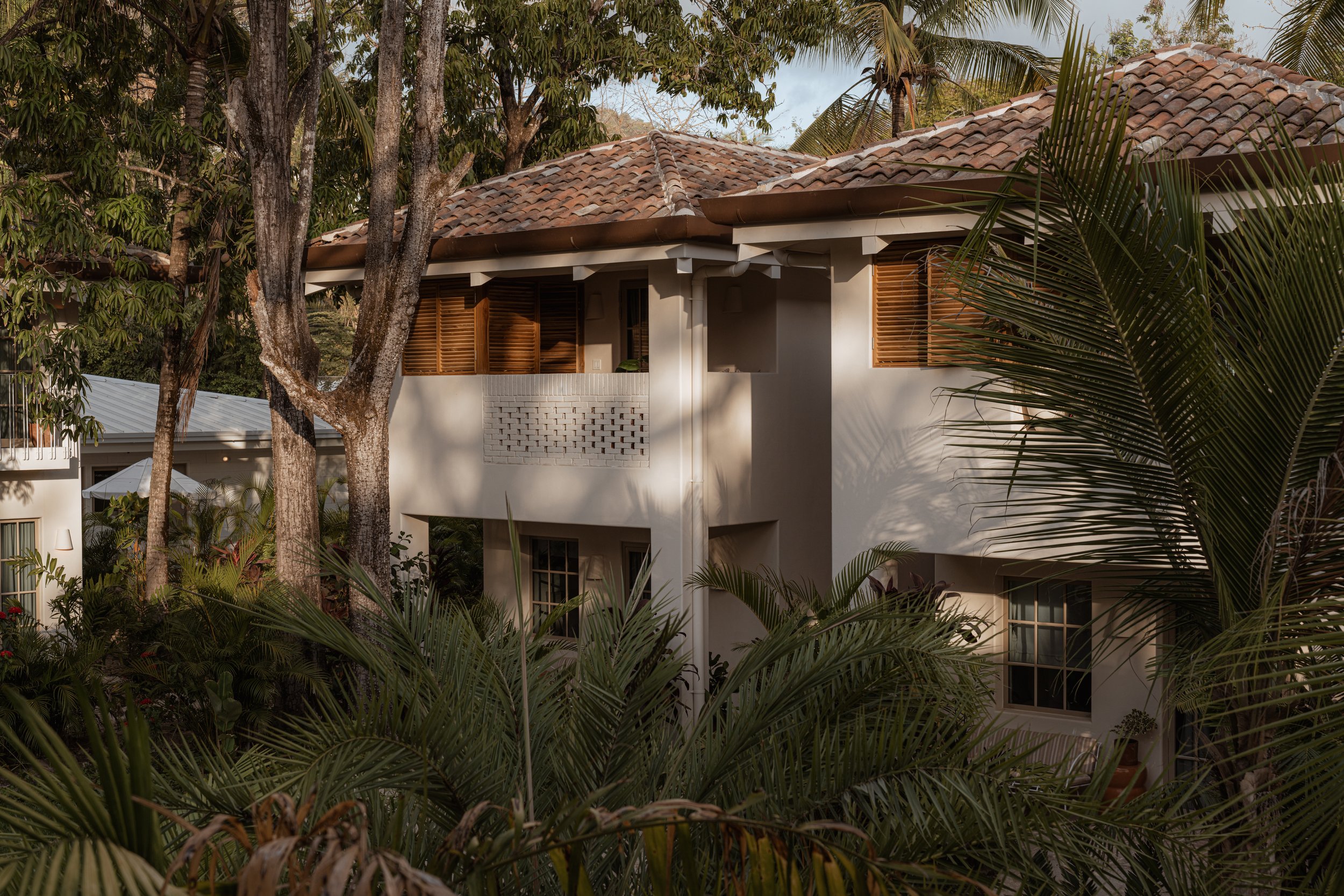
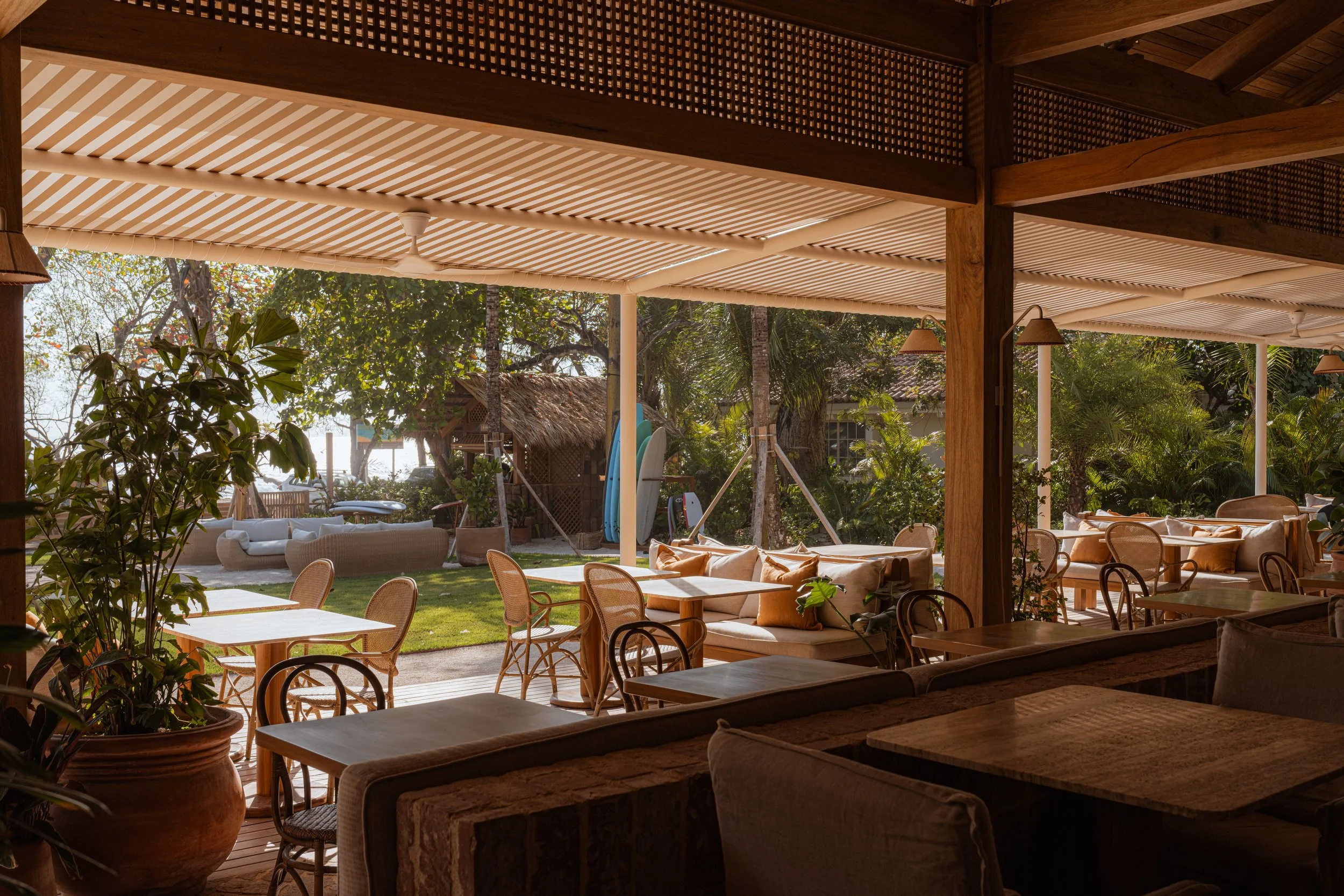
Sendero Hotel - Nosara, Costa Rica.
What does LHW mean for Central America?
For an LHW hotel, this means: endless opportunities to create authentic experiences that connect guests with nature in a regenerative way.
Central America, especially Costa Rica, is globally recognized as a leader in environmental practices. The region’s commitment to sustainability isn’t just a trend; it’s part of its identity.
Guests want authentic experiences in sustainable destinations. The market for travelers seeking unique and responsible experiences is expanding.
Few hotels in Central America have achieved LHW standards. This means that projects that do so not only compete globally; they position themselves as regional leaders and attract travelers willing to pay significant premiums for exclusivity.
This is where we come in.
SPHERA’s role in projects such as Fermata and Sendero
We support hotel projects from the pre-design phase—even before the building exists—through to operation and maintenance.
This comprehensive support includes sustainable project management:
Strategic assessment
Identification of unique strengths and opportunities
Integrated regenerative design
Utilization of natural resources and integration of sustainability
Systems design (water, energy, waste)
Construction supervision with sustainable auditing
Coordination of multidisciplinary teams
Operational protocols aligned with sustainability
Monitoring systems and continuous improvement
A hotel that achieves LHW status is not simply a beautiful hotel with added sustainability.
It is a hotel where every decision—from the building’s orientation to the lighting system, from the water source to staff training—is optimized for simultaneous excellence.
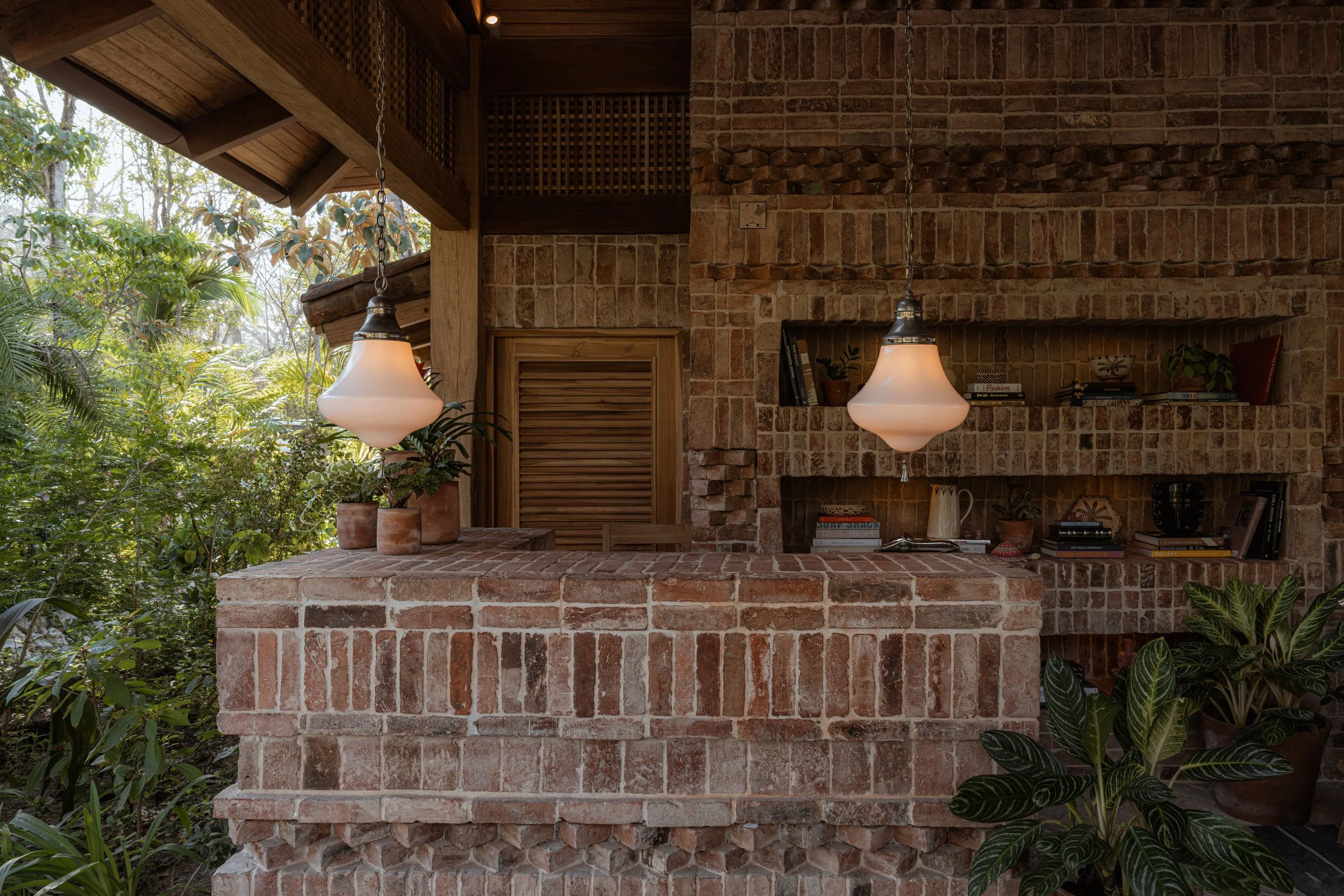
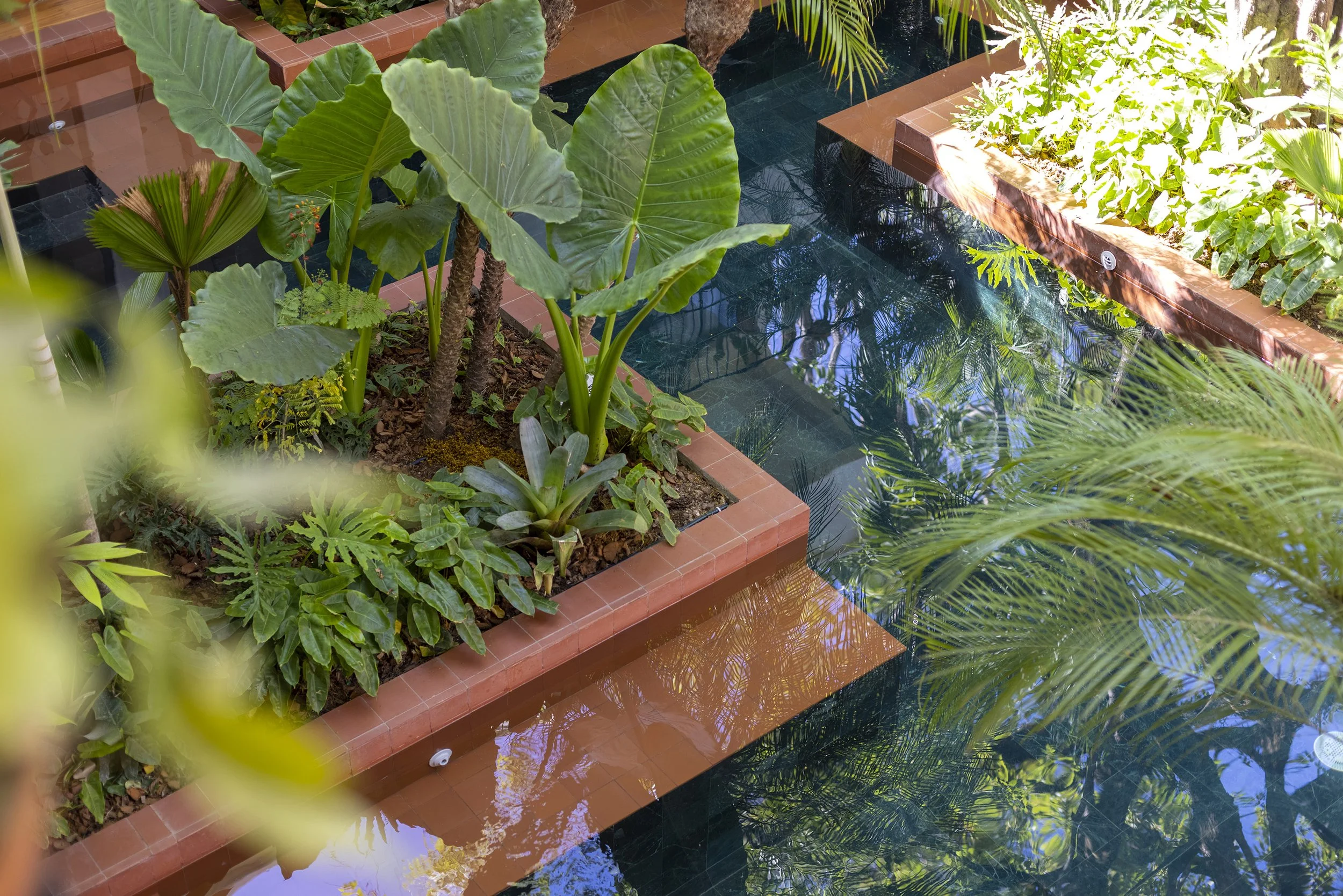
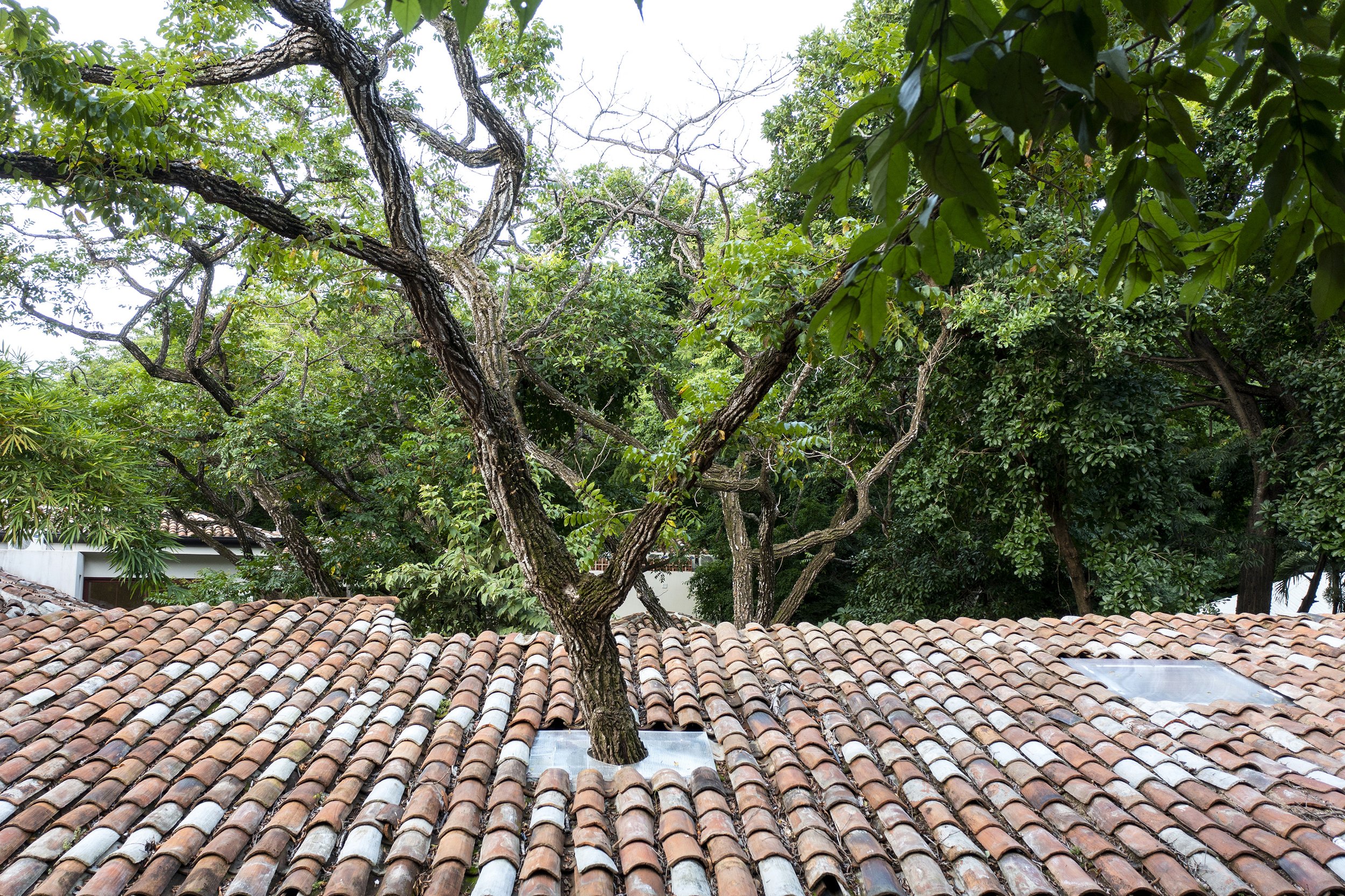
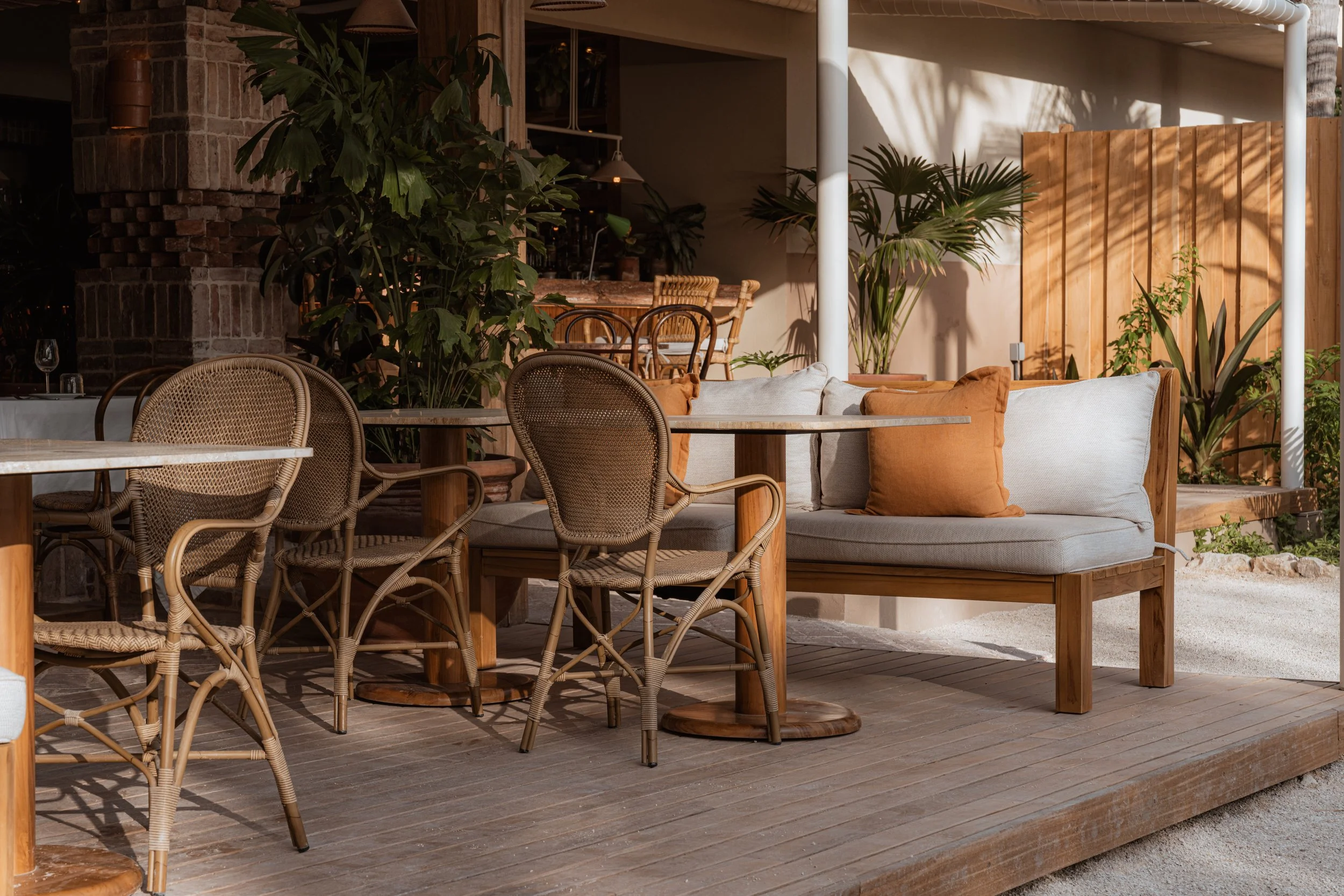
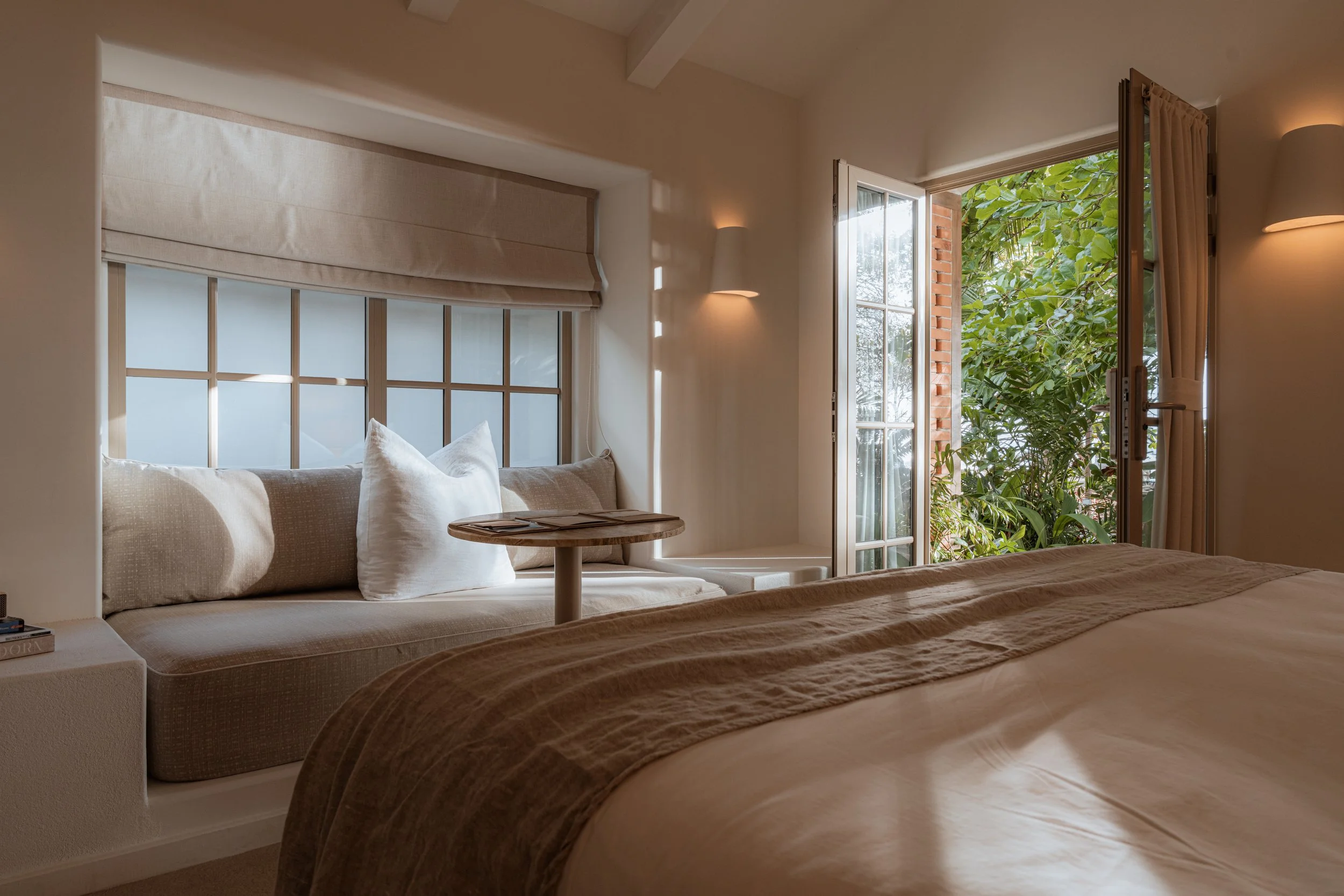
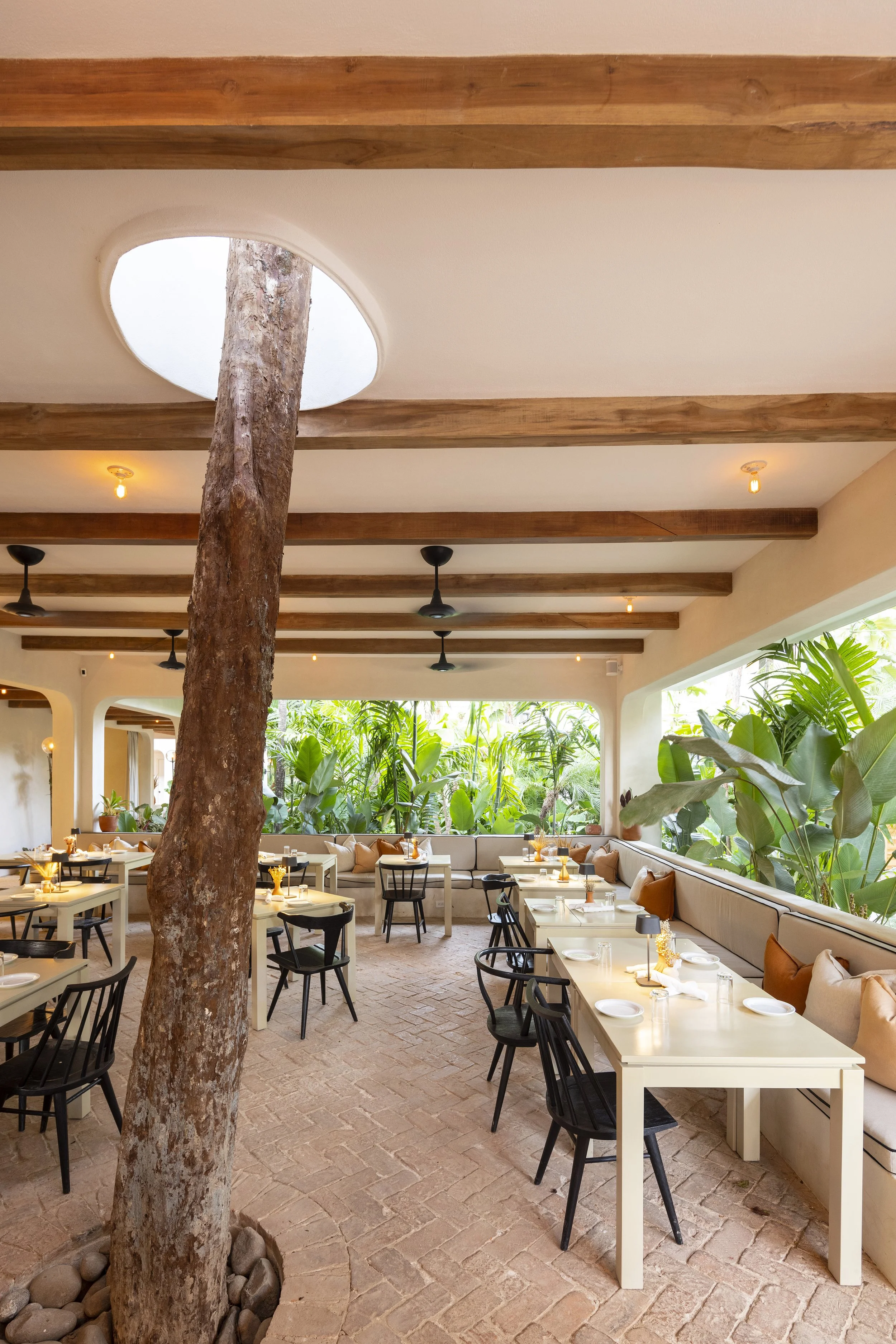
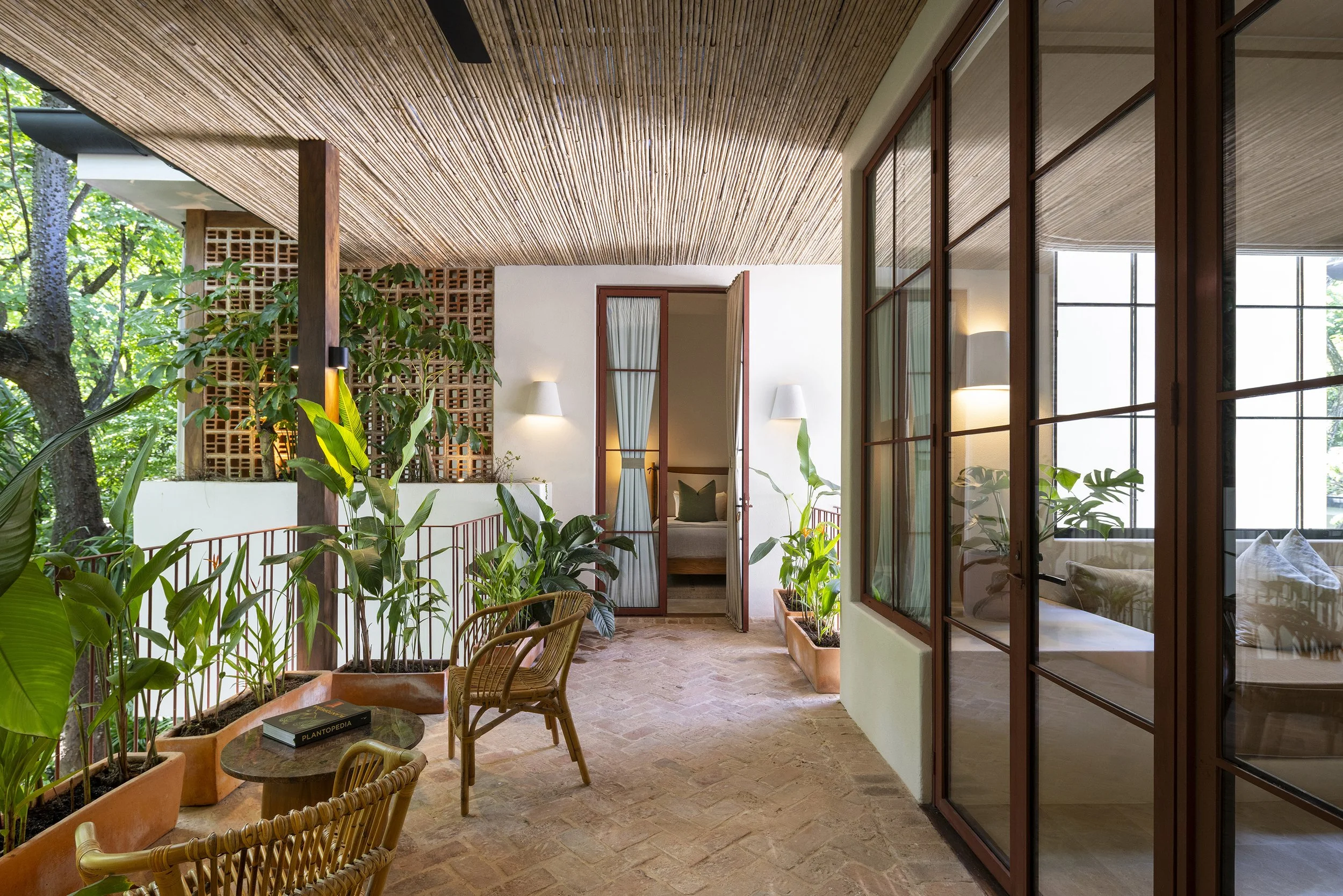
Hotel Fermata and Sendero Hotel & Villas
Our work with Hotel Fermata and Sendero Hotel & Villas represents something extraordinary in our 10+ year history in the hospitality industry.
From the conceptual phase, we have been involved in both projects as project managers and sustainability consultants. This means we didn’t come in during the construction phase to “fix things”; we were designing from a blank canvas.
What makes these projects different?
A shared vision from the start: The owners committed to global excellence without compromising local authenticity.
Integration of sustainability into architecture: Woven into every design decision.
Rigorously pursued certifications: Both projects are following sustainability processes with verifiable external audits.
Committed multidisciplinary team: Architects, engineers, designers, sustainability specialists, and project managers working in sync.
Commitment to local communities: Both hotels are designed to generate a positive impact on their local contexts.

Lessons learned
Our work with Hotel Fermata and Sendero Hotel & Villas taught us that:
Global excellence is possible in Central America if there is vision
Sustainability is a competitive advantage.
Guests value environmental responsibility
Sustainable project management requires expertise, discipline, and flexibility
Thanks to everyone on the team, this milestone belongs to all of us.
If you have a boutique hospitality project in mind: like, share, or reach out directly.